- Key Takeaways
- Winter Demands on Fleets
- Master CVIP Prep Steps
- Hidden Cold-Weather Defect Risks
- Proactive Documentation Strategies
- Require organized maintenance records for each unit, including inspection reports, repairs, and service intervals, to demonstrate CVIP compliance.
- display recurring issues, completed repairs, and upcoming inspection dates for all fleet vehicles in a markdown table.
- Store documentation in a central location accessible to fleet managers, drivers, and certified technicians for audit readiness.
- Review past CVIP inspection findings to identify patterns and prioritize preventive maintenance on high-risk components.
- Avoid Reactive Maintenance Traps
- Professional Facility Inspections
- Conclusion
- Frequently Asked Questions
- What is CVIP prep and why is it critical in winter?
- Which systems should fleets focus on first for winter CVIP prep?
- How does cold weather increase hidden defect risks before CVIP?
- What documentation helps prove CVIP readiness?
- How can fleets avoid reactive maintenance during winter?
- When should a fleet choose a professional facility for CVIP prep?
- How often should vehicles be inspected in winter beyond CVIP requirements?
Key Takeaways
- Winter weather is hard on commercial vehicles, so fleets receive CVIP prep that concentrates on brakes, air lines, steering, electrical, and driver visibility. By tackling these key areas before the mercury drops, you’re helping ensure safety and compliance in tough climates like Alberta’s.
- Think of your CVIP prep as maintenance, not an annual chore, with this step-by-step manager and technician checklist. Go through previous inspection reports. This will make you aware of persistent problems and will reduce your chances of a repeat CVIP fail.
- Brake and air systems need special consideration in cold weather for leaks, corrosion, moisture, and freezing. Frequent testing and recording of brake applications performance and air dryer status aid in avoiding winter breakdowns.
- Cab visibility and electrical wiring are a big part of winter safety, so fleets need to keep the windshield clear, reliable heaters and defrosters, and fully functional lighting. Proactively replacing wipers, bulbs, lenses and damaged wiring helps ensure safe operations in snow, ice, and low light.
- Cold weather can hide deeper structural and mechanical defects in suspension, frames, fluids and wheel ends, so fleets should deploy a dedicated inspection checklist to surface hidden hazards. Catching rust, cracks, leaks and loose fasteners early minimizes unanticipated breakdowns and expensive fixes.
- Well-managed, easy-to-access service history and connections to certified heavy-duty garages keep fleets inspection-ready and compliant with Alberta CVIP requirements. Booking your commercial vehicle inspections before winter promotes first-time CVIP passes, less downtime, and a generally more reliable fleet.
Winter Demands on Fleets
Winter adds consistent, additional stress on all areas of a fleet and Alberta’s situation highlights that reality even more. Freezing temperatures, road salt and ice add pressure to parts that already work hard in regular seasons. Parts that were “borderline” in fall can fail quickly once that first deep freeze hits, so winter prep is less about coziness and more about keeping vehicles compliant, secure and rolling.
Cold does things to metal, rubber and fluids that manifest as both mechanical failures and safety risks. Steel brake lines and fittings experience increased stress and can rust quicker with a buildup of road salt. Rubber hoses and belts turn stiff and crack more readily. Fluids thicken, so engines and hydraulics may run harder at start-up. On slick roads, any vulnerability in your traction, braking or lighting does not stay under the radar for very long. A tire that still cleared the final, rudimentary test, a quick visual inspection, can shed grip on packed snow. A light with a loose ground can go dark just when a driver most needs to be seen in blowing snow.
Winter-specific inspections provide a means to get in front of those hazards. A winter CVIP prep pass takes a close look at worn tires, weak batteries, and heaters that don’t blow enough warm air anymore to keep the windows clear. A battery that cranks fine at 15 degrees Celsius may not turn the engine at minus 25 degrees Celsius, so proper load testing matters more than a quick “starts okay” note. Heaters and defrosters relate to visibility and driver alertness, so check them as safety gear, not comfort options. Winter highlights every missed repair from the year, and therefore completing a full inspection cycle prior to that initial freeze is crucial if fleets wish to steer clear of unplanned downtime, roadside calls, and compliance headaches.
In Alberta’s brutal winters, brakes, lights and visibility components require additional attention to comply with safety requirements and inspection standards. Brake valves, air dryers and chambers absorb moisture that freezes, resulting in slow release brakes or uneven application between axles. Winter places new demands on all fleets. Headlamps, marker lights and signal lamps must punch through long hours of darkness, blowing snow and road mist, which means checking lenses, housings, wiring and grounds, not just bulbs. Wiper blades, washer systems, mirrors and glass require scrutiny, as streaked windshields or frozen washer lines can force a vehicle out of safe operating range and, in some cases, out of compliance.
The systems most affected by winter include:
- Tires and wheels
- Batteries and charging
- Brake systems and air dryers
- Lighting and electrical
- Heating, defrost, and HVAC
- Fuel systems and filters
- Wipers, washers, and glass
- Suspension, steering, and undercarriage exposed to salt
A good winterization plan brings these checks into an obvious, repeatable process instead of a last minute rush job when snow is in the forecast. Many fleets treat it as a maintenance protocol that must be done before the first real freeze. A structured fleet service and maintenance program can help keep these inspections, repairs, and service intervals organized throughout the winter. It assists in walking drivers through winter operating measures, such as extended warm-up, softer braking, and increased visual inspections for leaks or ice build-up around lines and wiring. Spot checks every four to six weeks throughout the season keep things honest and catch new problems early, like early rust on brake lines or slow cranking on very cold mornings. Over time, fleets don’t have to build this from scratch every year; they can hone checklists, service intervals, and driver training on what broke or stalled last winter. Through all of this, used fluids, filters, and other waste require correct disposal per local regulations, as de-icer, coolant, and oily slush can damage soil and water if mishandled.
Master CVIP Prep Steps

CVIP prep is best as a repeatable checklist, not a frantic last-minute rush before your inspection date. Forward thinking managers minimize surprise failures, winter breakdowns, and expensive downtime throughout the fleet.
1. Brake Systems
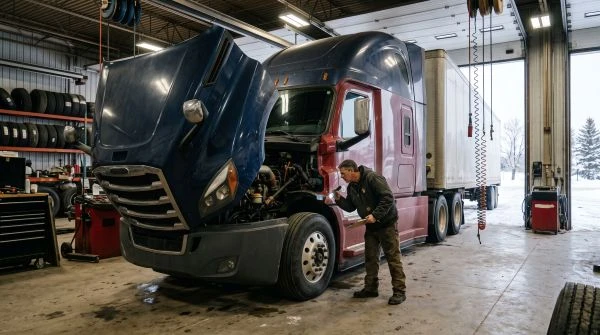
Brake issues are among the leading causes of CVIP failure, typically from pad wear, uneven drums or rotors, or air system malfunctions. Walk each axle with a torch and measure pad thickness, rotor and drum condition, and lining contact. Search for cracks, glazing, leaks at chambers, or rust jacking between shoes and linings and record anything close to Alberta limits so it can be replaced before it becomes a fail point.
Test service, parking and emergency brakes on level ground and on a safe test route. Parking brakes must keep the vehicle where parked under load, and emergency systems need to respond quickly and evenly. Any pull, delay, or imbalance is a warning sign for additional inspections.
Scan for loose or missing hardware: pins, clips, slack adjusters, dust shields, and all hoses and fittings, especially on semi-trailers and tractor-trailers where movement and vibration are highest. On units equipped with custom brackets or specialty gear, such as crane trucks or logging trucks, be especially mindful of mounting points where stress can induce hairline fractures or concealed corrosion around brake lines or chambers.
Record every repair and adjustment with dates, axle locations, and parts. A defined paper trail not only assists in demonstrating compliance when CVIP time comes around but helps identify patterns across like vehicles.
2. Air Lines
Air lines require a complete visual pass for leaks, rubbing, flat spots or poor routing that could snap or freeze during winter. Concentrate on those areas near suspension components and crossmembers where lines can chafe and then bleed under load.
Drain all air tanks until release is clear and dry. Water or sludge foreshadows subpar maintenance and increases the likelihood of ice blockages when temperatures turn low. Pair that with air dryer filter and purge operation inspections to ensure moisture is being kept out of the system to begin with and then you’re really on your way. To replace any hose that looks cracked or brittle, secure each fitting and clamp. That minimizes sudden air loss, enhances brake balance and assists with tuning the vehicle to Alberta’s CVIP standards.
3. Steering Assemblies
Steering checks begin with play and wear. Check linkages, tie rods, drag links and ball joints for looseness, torn boots or impact marks. Even tiny joint movement can become loss of control at higher speeds.
Grease all grease points. Then check again for dirt, water, or road salt pushed into joints. These accelerate corrosion. Check power steering fluid level, hose routing, and pump condition. Look for wet spots or seepage that can turn into full leaks under load. Take the car out for a low-speed test, turning both directions and over small bumps. Note any knock, bind, or uneven feeling that a technician can then diagnose prior to CVIP day.
4. Electrical Wiring

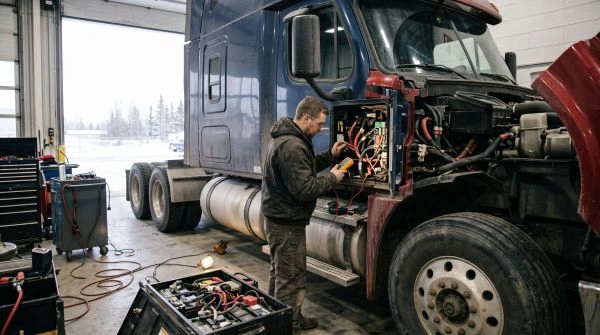
Electrical is another typical and preventable CVIP fail in Alberta, frequently from inferior wiring repairs or corroded connectors. Follow wiring harnesses along the frame and into the cab and trailer, searching for taped splices, rubbed insulation, missing clips, or dirty frames and crossmember grounds.
Test all lighting and marker systems against the inspection checklist: headlights, brake lights, turn signals, clearance lights, and trailer plugs. Replace broken bulbs, foggy lenses or crooked lamps and test each light during the day and at night prior to the inspection.
Secure loose wires with appropriate clips, guard them from sharp edges, and inspect battery posts to ensure they are tight and clean joins with no green corrosion. This minimizes shorts, stabilizes charging, and facilitates clear CVIP reports.
5. Cab Visibility
Cab visibility links driver safety to CVIP. Wipe clean windshields, mirrors, and cameras, then check for chips, deep scratches, or cracks in the driver’s view. Wipers must sweep clean with no streaks. Bent arms and weak motors should be repaired up front.
Test defrosters, heaters and block heaters for how quickly they clear fog and frost when it’s cold out. Slow or uneven clearing becomes a genuine hazard in winter starts. Replace wiper blades if necessary and fill the washer tank with winter-grade fluid that won’t freeze at 0 °C.
Cross-check all cab and dash lighting so gauges and warning lamps remain legible in dim light. Then verify the vehicle’s alignment, weight rating, and axle ratings correspond with legal and plate limits. A vehicle that cruises through CVIP year after year usually steers clear of major ‘surprise’ repairs and extended downtime, particularly when managers incorporate CVIP prep into routine fleet servicing and check previous inspection comments for frequent faults.
Hidden Cold-Weather Defect Risks
Cold weather puts strain on an existing vehicle that’s on the edge of collapse. For CVIP prep, it means defects that appeared minor in mild weather can become serious once temperatures fall below 0 °C, roads freeze, and visibility declines.
Cold makes a lot of materials more stiff and brittle, so little defects in suspension, frames, and wheel ends can develop quickly. A worn shackle bushing that puts just a little knock to the tone of your summer suspension can snap its bracket in two come winter. Metal that flexed just fine at 20 °C could start to fracture at −10 °C, particularly in the area surrounding welds and bolt holes. Road salt and moisture collect in the pockets around spring hangers, U-bolts, and torque rod ends, corroding the metal from the inside out. Meanwhile, ice and packed snow on rims and hubs conceal loose wheel nuts, thin brake backing plates, and leaking seals. This combination increases the probability of a wheel end failure or suspension breakdown on the road.
Rust, cracks and loose fasteners are easier to spot in warm, dry light. Winter has a way of concealing them. Snow, ice and mud cover frame flanges, crossmembers and gussets, so early rust and hairline cracks stay hidden. Bad light in winter yards and short days make it tougher to spot fine defects on walkarounds. Wind chill and cold stress compel technicians to hurry inspections, bypass uncomfortable angles or avoid laying on frozen dirt, so they overlook loose U-bolts, shifting fifth-wheel plates or cracked hanger brackets. Over time, those ‘small’ things can become frame twists, alignment issues and steering pull that will not pass a CVIP.
Fluids freeze in cold weather as well. Oil thickens, seals shrink and plastic lines turn hard. Small leaks in engine oil, coolant or DEF systems can decelerate or even appear to cease as fluids gel or freeze on contact, creating an icy plug that conceals the defect. When temperatures bounce back upward, that plug melts and the leak returns, often as a sudden loss that causes overheating, low oil pressure or emissions fault. Weak batteries, underinflated tires and sluggish hydraulic systems cause more trouble in freezing weather, and they can give out at the worst time, like when braking hard or using the lift.
To catch these hidden risks before a CVIP, a simple numbered checklist helps:
- Check suspension and frames for rust blisters, flaking, and new cracks around welds, brackets, and crossmembers.
- Inspect all wheel ends for loose or missing fasteners, damaged rims, heat or leaked grease behind any ice or dirt build-up.
- Check for fluid stains and frozen drips underneath engines, radiators, DEF tanks and hydraulics once the rig is parked.
- Test batteries under load, confirm clean tight terminals, and check cables for stiff or cracked insulation.
- Test tire pressure in the cold and check for sidewall cuts or bulges that could become worse due to the low temperatures.
- Test lighting operates on all sides. Clean lenses so dirt and foggy vision don’t conceal defects or add additional hazard.
- Walk surfaces and entry points for ice, snow accumulation, or loose panels that may obscure defects.
- Refresh and rehearse a winter safety plan that encompasses hazard checks, emergency measures, and cold-related risk and symptom training.
Proactive Documentation Strategies

Proactive documentation in CVIP prep is following what happens to each vehicle before there is a problem. It links daily inspections, preventive maintenance, and repair history into a single transparent record that allows you to demonstrate compliance, reduce downtime, and identify safety concerns before they arise.
This approach also supports Alberta’s requirements for safety and maintenance programs which require carriers to implement their programs, evaluate them periodically, and update them as necessary.
Require organized maintenance records for each unit, including inspection reports, repairs, and service intervals, to demonstrate CVIP compliance.
Each unit requires its own maintenance file with a similar setup. At the very least, CVIP inspection reports, daily pre-trip checklists, repair orders and service performed at every interval are necessary. Daily pre-trip inspections have their place in this log, as they’re often responsible for catching worn parts, loose lights or fluid leaks before they cause a red-tag failure. Having clear dates, odometer and engine hours, and technician and driver names helps provide a complete trace of what was discovered and what was done. This is the sort of detail auditors and inspectors look for when they verify a fleet adheres to CVIP regulations. A well-documented maintenance schedule, supported by these records, helps mitigate the risk of fines and provides a robust response if a regulator challenges your procedure.
display recurring issues, completed repairs, and upcoming inspection dates for all fleet vehicles in a markdown table.
A plain table view across all units makes patterns easier to spot than piles of paper. An example layout:
| Unit ID | Recurring Issue | Last Repair Date | Next CVIP Due | Notes |
|---|---|---|---|---|
| 101 | Brake wear on rear axle | 2026-09-12 | 2027-02-10 | Shorten brake check interval |
| 204 | Low coolant warnings | 2026-08-30 | 2027-01-05 | Check for small leak |
| 307 | Irregular tire wear front | 2026-09-05 | 2027-03-01 | Re-check alignment monthly |
This sort of table assists in connecting daily driver notes to shop work. It highlights which vehicles require immediate monitoring, which ones have been repaired and which CVIP dates are approaching. This can help fast track inspections and reduce the likelihood of failed inspections.
Store documentation in a central location accessible to fleet managers, drivers, and certified technicians for audit readiness.
One common system, be it digital or a controlled file room, maintains documents in a single location. Fleet managers check compliance, drivers log defects, and technicians view full history before they start a job. If everybody sources off the same copy, you eliminate lost forms and mixed versions. This central hub facilitates quick turnaround during audits, as you can extract complete CVIP files by unit in minutes rather than days. It aids in monitoring any work that dips into safety items such as brakes, tires, steering, and lights — things that are likely to receive the highest-risk designation in CVIP picks.
Review past CVIP inspection findings to identify patterns and prioritize preventive maintenance on high-risk components.
Historical CVIP reports and repair histories demonstrate what parts tend to fail most frequently. Typical issues involve brake pads and drums, tires, lights, and fluid leaks. Frequent fluid inspections and rigorous brake and tire service schedules, rooted in this information, can prevent minor problems from turning into major breakdowns. This is where proactive documentation saves money: every day a key unit sits down can cost from thousands to tens of thousands of euros, yuan, or other local currency. Drivers, as the front line, should be instructed to record any slight variation they see or hear. Transparent forms and rapid feedback when they submit bugs make them sense their observations count and spark change. Over time, this healthy stream of raw data fuels smarter schedules, fewer surprises, and reduced risk of safety incidents associated with work that is late or missed.
Avoid Reactive Maintenance Traps
Avoiding reactive maintenance traps begins with how you schedule CVIP preparation day to day, not in the final week leading up to the inspection. Most fleets that operate from breakdown to breakdown do not do so deliberately. It grows from habits, old workflows, and praise for “heroes” who save the day at 02:00 when a truck fails on the road. Altering that mindset is as valuable as any tool or checklist.
Waiting until the month prior to a CVIP or winter to address defects or overdue service is a recipe for locking a fleet into chaos. Shops slam through extended backlogs, overlook minor defects, or shove trucks back into service with ‘band-aid’ repairs that never see the light of day again. Breakdown downtime is costly in itself, ranging from roughly $448 to $760 per day, according to estimates, and that doesn’t include parts, call-out fees, or towing. Numerous practices have attempted to convert from this style to a preventive program and failed because they merely altered the schedule, not underlying causes such as fragile processes, inadequate data, or fuzzy responsibility.
About: Don’t Fall Into Reactive Maintenance Traps A more stable CVIP prep plan relies on consistent, scheduled inspections, minor fixes done promptly, and diligent follow-up. Take your most critical unit, perhaps the one with the highest breakdown hours, and begin by structuring a simple preventive plan around it. Record each chore, cycle repeat, and record results. This slow, steady work demonstrates progress and brings long-term goals to life. Work orders and costs go down over time, and you have evidence to provide to drivers, techs, and managers.
To get out of the reactive rut, driver training is key. Most failures begin as a noise, smell, dash light, or a slight handling change weeks before a breakdown. Educate drivers, in simple language, what to notice and how to report it quickly. A short, focused checklist helps: brakes, steering, lights, tires, leaks, and basic safety gear. Back that with a simple digital or paper system so reports do not disappear. Complement those with improved processes and where possible, predictive tools that monitor live data, and you can liberate many technician hours currently lost to preventable rush jobs and recurring emergency repairs.
Professional Facility Inspections

Professional facility inspections are at the heart of serious CVIP prep because they connect your routine maintenance to specific legal and safety regulations. Commercial vehicles in Canada need to adhere to national and provincial safety standards. The Alberta Vehicle Inspection Program for commercial vehicles outlines the inspection requirements for commercial vehicles and the requirement for a valid inspection certificate and decal. This applies to trucks with an RGVW over 4,500 kg and buses carrying over 10 people, so nearly all fleet operators are subject to these regulations whether they operate local or long-haul routes.
Booking pre-winter inspections and heavy-duty truck repair at a certified facility like Hart Transmission & Mechanical, provides form to that preparation. Winter stress reveals weak parts quickly. Cold starts reveal battery and starter problems, road salt accelerates rust on brake lines, and low grip makes worn tires much more dangerous. A licensed shop visit before winter means brakes, steering, suspension, lighting, and tires receive a complete inspection before ice and snow arrive, not in a roadside breakdown at −20 °C.
These certified facilities are licensed under the Vehicle Inspection Regulation and are required to comply with the Facility Operating Manual. Their license is good for two years and permits them to do commercial, out-of-province, or salvage inspections. They have to be outfitted as per 39(c) of the regulation and 9 of the manual, that is proper hoists, brake testers, measuring tools, torque equipment, and current documentation for professional inspection facilities. There are three types of inspection facilities, including Carrier Open; two other categories are for alternative operating models.
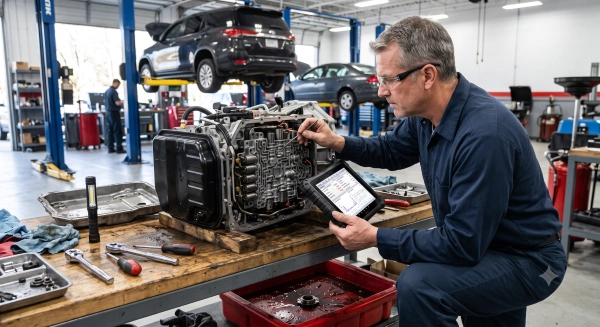
Technicians in these shops know Alberta’s CVIP standards and how inspectors ‘read’ a vehicle. They employ state-of-the-art diagnostics to detect electrical or ABS faults or unseen frame damage that visual inspections overlook. For instance, they can pull manufacturer fault codes, measure brake imbalance, or verify steering play against limits and then repair according to provincial compliance standards rather than guesswork.
Partnering with a trusted shop builds a routine. Regular inspections find risks early, cut roadside hazards, keep vehicles safe, and help fleets pass CVIP on the first try. This supports uptime and cost control.
Conclusion
Winter hits hard and CVIP prep can seem like just one more thing on a long list. Clever prep reduces anxiety, reduces expenses and keeps the trucks rolling. Cold snaps expose weak links quickly. Solid checks and clean books provide you with fewer surprises and less downtime.
Hard winter CVIP prep isn’t just a check mark. It supports safe loads, safe drivers and safe roads. It demonstrates that you operate a lean, decent fleet that values the work and the people in it.
To get going next, choose a tiny action in the present. Tighten your cold weather checklist, tune your file system or schedule a full shop check. Then capitalize on that victory for the subsequent stretch.
Frequently Asked Questions
What is CVIP prep and why is it critical in winter?
CVIP prep is preemptive preparation for a Commercial Vehicle Inspection Program. For winter, it’s essential because the cold, wet, icy weather increases mechanical stress, braking distance, and defect risk. Well prep minimizes roadside failures, tickets, and accidents.
Which systems should fleets focus on first for winter CVIP prep?
Concentrate initially on your brakes, tires, lighting, steering and suspension. Then test batteries, charging systems, heaters and fluids. These are the systems that encounter the most extreme loads in cold weather and frequently lead to inspection failures or winter breakdowns.
How does cold weather increase hidden defect risks before CVIP?
Cold weather drains batteries, thickens fluids, cracks hoses and reveals metal fatigue. Salt corrosion can destroy wiring and brake lines. These problems can lurk beneath the surface until a CVIP or roadside breakdown exposes them.
What documentation helps prove CVIP readiness?
Maintain logs, inspection checklists, repair invoices, and torque records. Keep them in a uniform format with dates and kilometer readings. Transparent records demonstrate to regulators that the fleet is cared for and accelerate CVIP inspections and audits.
How can fleets avoid reactive maintenance during winter?
Employ a CVIP-based preventive maintenance schedule. Check the essentials prior to the season, not after things break. Follow defect trends and address root causes early. This strategy reduces emergency fixes and increases uptime.
When should a fleet choose a professional facility for CVIP prep?
Professional facility when your internal staff do not have CVIP experience, tools or capacity. Certified shops know inspection standards, common winter failure points and documentation needs. Their knowledge minimizes failed inspections and return trips.
How often should vehicles be inspected in winter beyond CVIP requirements?
Many fleets supplement with informal checks weekly and quick walk-arounds daily in winter. CVIP establishes a minimum legal standard, but more frequent inspections catch winter-related defects early, enhancing safety and minimizing unplanned downtime.