- Key Takeaways
- Why Proper Storage Matters
- Your Comprehensive RV Storage Checklist
- Beyond the Basics
- Adapting for Your Climate
- Common Storage Mistakes
- The Value of Professional Service
- Conclusion
- Frequently Asked Questions
- How do I prepare my RV for long-term storage?
- What should be on an essential RV storage checklist?
- How does climate affect RV storage needs?
- What are the most common RV storage mistakes to avoid?
- Is professional RV storage service worth the cost?
- How often should I check my RV while it is in storage?
- Should I use indoor or outdoor storage for my RV?
Key Takeaways
- Adequate RV storage minimizes repairs, safeguards systems from rust, mold, and pests, and keeps your rig lasting longer while retaining its value. Think of storage as a component of your maintenance plan, not an afterthought!
- A detailed storage checklist for mechanical, water, electrical, exterior and interior systems ensures you don’t skip vital steps like flushing tanks, fuel stabilizing and deep cleaning. Before parking your RV, walk through your list from gate to cab and check off each item.
- Defending your RV with premium covers, sealed roofs and windows, and excellent ventilation prevents it from harm from UV rays, moisture, and extreme temperatures. Select a location for storage that permits air circulation and protects your RV from extreme weather.
- Insurance, documentation, and basic tech like security cameras and smart sensors incorporate crucial layers of defense in storage. Photograph, read over your policy, and set digital reminders to check on it regularly and recharge the batteries.
- Tailoring your storage routine to your climate, be it cold, humid, or dry, keeps issues like frozen pipes, mold, or sun damage at bay. Take advantage of climate-specific products like antifreeze, dehumidifiers, or UV-resistant covers to suit your local conditions.
- Don’t make rookie mistakes like storing your RV with food in it, neglecting tire care, or skipping roof and seal inspections that frequently result in costly repairs. If you’re unsure, book a service inspection or winterization to make sure your RV is prepared for storage.
Your RV storage checklist is just a straightforward list that helps you get your rig ready before it rests in a lot, driveway, or storage location for weeks or months. Such a checklist minimizes the chances for flat batteries, water damage, pests, and stinky odors when you pull the RV back out again. It usually includes interior, exterior, plumbing, tires, power, propane, and paperwork steps. Many owners supplement with checklists for both short-term and long-term storage, plus climate and parking location notes. In the following sections, the post goes through important items to include, why each is important, and how to tailor the checklist for your specific RV and storage strategy.
Why Proper Storage Matters
Proper RV storage is more than where you park it. It’s about how you care for each of these major systems so the car remains reliable, retains its worth, and is always good to go when you are.
A good storage schedule reduces repair bills and preserves major components such as the roof, plumbing, and electrical system. When an RV sits in the open, sun and rain degrade sealant, let water in, and rust metal parts. In freezing climates, water can freeze in your pipes and crack fittings. A dry, covered space — even a bare roof with open sides — eliminates the risk of broken pipes, water leaks, and slow damage you won’t notice until next season. Good storage further reduces fire hazard by keeping wiring dry, batteries healthy, and fuel systems inspected.
| Storage quality | Repairs cost over time | Maintenance load | RV lifespan / resale value |
|---|---|---|---|
| Poor storage (exposed, no prep) | High – frequent leaks, rust, mold, pest removal, pipe and wiring repairs | Heavy and urgent, often after damage | Shorter life, low resale, hard to sell |
| Basic storage (some prep, partial cover) | Medium – some weather and pest issues | Steady but manageable, more checks needed | Average life and fair resale |
| Proper storage (full prep, dry and secure) | Low – fewer leaks, no major mold, less rust | Planned and simple, small issues fixed early | Longer life, strong resale, easier to insure |
It’s this routine care before and during storage that really lengthens the RV’s life. Winterizing the plumbing, for instance, involves draining tanks, blowing out lines with air, and adding the appropriate antifreeze where necessary. Just this step can keep your pipes from bursting and your fittings from loosening, which leads to expensive repairs. A few simple maintenance checks, such as tire pressure, battery voltage, sealant cracks, and roof damage, save you from a full roof repair or roadside blowout down the line. Protecting against mold, mildew, and pests helps you sidestep health hazards and huge cleaning costs.
Proper storage ensures the RV is prepared for your next adventure with less effort and frustration. When your vehicle remains dry, clean, and safe, you’re plotting the course and fixing less what broke from the off season!
Your Comprehensive RV Storage Checklist
For additional safety guidance, Alberta also provides an RV safety checklist covering items such as fluids, batteries, tires, lights, hitches and other travel-related equipment.
1. Mechanical Health
Before storage, it is also worth having the engine, brakes, fluids, suspension, and other mechanical systems checked as part of light-duty vehicle service. Used oil contains acids and contaminants that will corrode the inside of an engine as it rests. Check transmission fluid, coolant, brake fluid, and power steering fluid, then top off so air and moisture do not sit in half-full systems. If your RV has a generator, replace its oil and run it for a bit under load.
Top off the fuel tank and include a fuel stabilizer rated for the length of storage you’re anticipating. Run the engine and the generator for at least 10 to 15 minutes so the stabilizer gets to the full fuel system, not just the tank.
Check brakes, jacks, and suspension for leaks, cracked rubber, or worn pads. Repair obvious issues today. Components left in bad shape throughout winter tend to break down more rapidly.
Adjust tire pressure to the manufacturer’s cold recommendation and re-check once the RV is situated in position. Transport Canada also recommends regular tire-pressure checks and inspections for cuts, cracks, uneven wear, bulges and other signs of damage. Try tire covers to shield against UV rays and slow sidewall cracking. If you can, roll the RV forward or backward every few months to avoid flat spots.
2. Water Systems
Completely drain and flush the fresh, gray, and black tanks. Empty the black and gray tanks at an authorized dump station and rinse until clear. Leaving waste in the system over winter can create strong odors, clogs, and additional valve wear.
Water heater, bypass and drain – follow manufacturer’s instructions. For cold climates, winterization is key. Pump RV-safe antifreeze through all plumbing lines and add it to sink traps, shower drains, and the toilet bowl so those small water pockets do not freeze and crack fittings. Disconnect, drain, and coil all hoses, storing them with the ends capped or bagged.
Wipe down and dry the shower, sinks, toilet area, and any outside shower. Be sure to leave doors and curtains open so air can circulate and surfaces remain dry. In the spring, top off tanks with clean water, purge and sanitize the system, and you’re ready for another camping season!
3. Electrical Care
 Kill everything, unplug from shore power, and shut down inverters so they don’t phantom drain. If you can, pull house and chassis batteries. If not, disconnect negative terminals. Keep loose batteries in a dry, cool location and put them on a smart charger every 4 to 6 weeks so they don’t fall into a deep discharge that shortens their life.
Inspect visible wiring runs, such as under beds and inside lower cabinets, for cracked insulation, terminal corrosion, or rodents, such as chew marks or droppings. Repair loose lugs and clean light corrosion today, lest you be troubleshooting dead circuits tomorrow. Remove small valuables and portable electronics, or secure them in a concealed, bolted down safe if the RV will remain in a communal storage yard.
4. Exterior Integrity
 Wash the RV with mild soap and water, making sure to cover the roof, wheel wells, and undercarriage where road salt or dust tends to accumulate. A wax job on fiberglass or painted areas resists UV damage and keeps dirt from adhering as much. Check seams around roof edges, windows, vents, and lights. Reseal any cracks with the right RV sealant so slow leaks don’t start while you’re not watching.
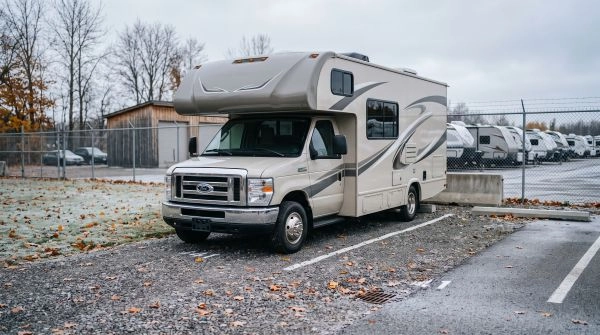
Buy some vent covers or MaxxAir-style covers so you can leave one or more roof vents cracked open without admitting rain or most pests. This consistent circulation reduces musty air and condensation. If your RV will remain outside, apply an RV cover that is breathable and fits your size as well as an RV skirt to shield the lower section from wind and snow. Winter storing in a facility is often quieter and sometimes less expensive than peak spring demand. You still want the cover for UV and hail protection. Check awnings, seals and weatherstripping. Patch small tears or gaps now to keep water and insects out.
5. Interior Preservation
Do a deep clean of the whole interior: sweep and mop floors, wipe counters, empty and clean cabinets, and scrub the bathroom. Wipe out the fridge and freezer with a mild soap, dry completely, and put a box of baking soda in if you desire. Any crumbs you leave are an open invitation to mice or bugs.
Take out all food, beverages, and garbage, even sealed items such as canned goods if your climate fluctuates between hot and cold. Some cans can rust or burst and packaged snacks still smell like dinner to pests. Open the fridge and freezer doors a few centimeters and prop them in place so air moves and plastic does not trap odor.
Sprinkle moisture absorbers, such as desiccant tubs or hanging bags, throughout the RV by the bed, in closets, inside cabinets and under the sink. Things like Kanberra Gel or similar can keep air fresh and deal with mildew smells. That’s extra helpful in soggy winter months or along the humid coast.
Prop open cabinet doors and drawers for air flow. Lift couch cushions or stand mattresses on edge where you can so trapped damp air doesn’t cause mold patches. A little effort on cleaning and moisture control now can extend the life of interior fabrics and finishes by years and avoid repair costs down the road.
Beyond the Basics
More than just cleaning and draining, storage prep is about considering risk, documentation, and how you’ll keep an eye on the RV when you’re not there. The goal is to reduce slow damage from moisture, pests, UV, and weather, while simplifying any eventual claim or repair.
- Breathable, well-fitting cover for external protection from snow, ice, and UV.
- Add UV-blocking window covers and roof vent covers
- Place moisture absorbers in the kitchen, bath, and sleeping areas to slow mold.
- Seal small holes with steel wool and caulk to discourage pests.
- Lift tires or move RV a bit every visit to prevent flat spots.
- Inspect the snow load on the roof after heavy storms and remove it safely.
- Pick storage locations with good drainage, bright lighting and sturdy fencing.
- Loved ones with atmospheric control (basic climate control) where winters are hard.
- Attach wireless security cameras or motion alarms if privacy or crime is an issue.
- Eliminate propane tanks, lock doors, compartments, hitch, and steering controls.
- Set a schedule for regular checks every 30–45 days
Keep a printed list of emergency contacts near your main home exit and on your phone: roadside service, RV insurer, storage facility office, trusted mechanic, and a mobile RV tech if you use one.
Insurance Review
See if your policy explicitly covers winter storage, including theft, hail, rodent destruction, and roof collapse from snow load. Most policies don’t cover slow damage, so check their definitions of wear and tear, rust, and vermin.
Go to a new storage yard, open to covered or a different region with tougher winters, and let your insurer know. The risk profile changes if the RV is parked under trees, by a body of water, or in unsecured lots.
Walk around the RV and take clear, date-stamped photos of the roof, sides, underbody, interior, and any current flaws. Save these in cloud storage.
Inform your insurer how long the RV will remain in storage and verify the actual storage address or site number in case they have to confirm a claim.
Documentation
- Registration, title, and proof of ownership
- Insurance policy and agent contact
- Service records, recent repairs, and part receipts
- Storage contract, gate codes, and facility rules
- Warranty details for roof, appliances, and add-ons
Keeping detailed service records is particularly useful for owners managing multiple vehicles or recreational units, as fleet service maintenance can help organize inspection schedules, repairs, and recurring maintenance needs. Record meter readings and fluids.
Keep paper records at home or in a secure virtual format, not in the RV, so a break-in, leak, or condensation doesn’t destroy them.
Draft a spring checklist now for de-winterizing: flushing the water system, checking for mold or mildew, testing safety equipment, and re-checking seals after cold-weather moves.
Tech Tools
A wireless security camera or simple alarm in your storage bay or driveway can provide immediate evidence if your boat gets stolen or vandalized. Select one that runs on mobile data or the facility’s Wi-Fi, if permitted, and point it to record entrances and high-value equipment.
Smart sensors can monitor internal temperature, humidity, and battery voltage. If humidity increases, you know moisture control is breaking down. If voltage dips, you can schedule charging or disconnect to prevent batteries from being over-discharged.
Set calendar reminders for tire checks, roof inspections for snow load, and quick pest checks. Brief, scheduled visits frequently prevent small problems from snowballing into large repair projects.
A simple spreadsheet or maintenance app can keep tabs on service dates, how long things have been in storage, and any recurring problems at particular sites. This information can help inform your next storage location selection.
Adapting for Your Climate
An RV storage checklist is only as effective as it is adapted for the climate in which you store your rig, the local weather patterns and seasonal swings, and the inherent risks that the region may contain.
Cold Winters
Winterization is not optional in freezing climates. Leftover water in pipes, fittings, the water heater or holding tanks can freeze, expand, and crack. Drain all lines and tanks, bypass the water heater, and pump RV-grade antifreeze through every faucet, shower, outdoor shower and toilet until it runs pink. Don’t overlook low-point drains and outside wash stations, which frequently get missed. This one step alone stops some of the priciest repairs.
Cold storage ages the outside as well. A heavy-duty, breathable RV cover and tire covers help protect the roof, sidewalls, and rubber from snow, ice, and UV. Tires can flat spot when they sit for months in cold weather. Inflate them to the recommended pressure and place them on tire pads or blocks rather than bare ground. Inspect the roof membrane, seams, and window seals for cracks or gaps that allow moisture or cold air in and reseal as necessary to keep meltwater out.
Take house and chassis batteries out and keep them inside, in a cool dry place, on a maintenance charger. This reduces the danger of deep discharge and harm from unexpected cold snaps. A speedy systems check before storage and again mid-winter if you can swing by the RV keeps electrical and plumbing in tip-top shape for spring.
Humid Regions
For humid regions, the battle is against moisture, mold, and musty smells instead of deep freeze. Leave a few moisture absorbers, a desiccant, or an atmospheric control pack scattered throughout the interior by the bed, in kitchen cabinets, and wardrobes to suck moisture out of the air as your RV sits. This prevents that musty odor that can accumulate in a matter of weeks.
Ventilation counts. Fit vent covers on your roof vents so you can keep them cracked open for air circulation without rain or pests getting in. Keeping your RV in a well-ventilated area, even under a basic open-sided shelter, reduces the chance of mold and mildew.
Line Drying vs. Machine Drying A MUST READ Before you shut the door for storage, clean and dry all fabric, cushions, carpets – including under-bed and dinette cushions. Any moisture that gets trapped in these soft things tends to be a breeding ground for persisting smells.
Humid climates can be tough on roofs and joints. Examine for minor leaks around skylights, antenna coverings and seams and fix immediately to avoid prolonged dampness, delamination or wood rot. A guarding roof coating and a breathable storage cover can provide an additional layer of protection against heavy rain and brutal weather while still letting moisture trapped inside evaporate.
Dry Areas
Dry, hot regions create a different list of risks: sun, heat, dust, and rodents. UV rays are brutal on campers; they fade paint, crack decals and weaken the roof membrane, so park in shade where you can or use a UV-resistant RV cover that still breathes a little. Rubber seals around windows, slides and doors dry out quicker in this sort of climate. Check, clean and use an EPDM or specific material safe conditioner regularly so they remain flexible and seal properly.
Hot and dry conditions are hard on tires and roofs as well. Check for sidewall checking on tires and keep them off bare, hot pavement with blocks or pads. Go over the roof with chalking or fine cracks and patch them up before they expand. A quick dust and vacuum on the inside before storage keeps fine grit out of drawer slides, electronics, and vents. This makes the RV feel cleaner and reduces wear on moving parts.
Mice and other critters tend to migrate into RVs in arid climates when they are looking for hydration and cover. Never store the RV with food, even dry goods or pet food or snacks in drawers. They’re powerful drawcards in high rodent traffic zones. Seal entry points where cables or pipes pass through the floor, utilize covered vents, and set traps or deterrents in storage bays as a backup.
Common Storage Mistakes
RV storage mistakes usually stem from hurrying or omitting little steps that appear insignificant at the time. These missteps can reduce the longevity of the RV, result in unseen damage, and lead to expensive repair bills down the road. Critical problems arise in cleaning, weather protection, and fuel, tire, and battery care.
Common mistakes to avoid include:
- Parking your RV without a good interior and exterior cleaning or a level of dampness.
- Forgetting fuel stabilizer in the tank
- Letting the battery sit without checks or charging
- Ignoring tire pressure and skipping tire covers
- Leaving food or perishables inside
- Skipping roof and seal inspections
- Leaving vents, gaps, and openings uncovered
- Parking in full sun or mugginess with no coverage.
- Using unsecured or unprotected storage locations
- Ignoring regular system checks during the storage period
One of the biggest storage mistakes is storing your RV dirty. Olive crumbs under seats, fabric stains, and road tar on the outside all eat away at things over time. Dampness in cushions causes mildew and odors. Bird droppings or tree sap on the roof can discolor or ruin the finish. Nothing causes stains, mold, and long-term wear like a partial wash, dry, and interior clean before storage.
A lot of owners neglect fuel and battery maintenance. Forgetting a stabilizer in the tank leads to fuel gumming up and causing lines and the engine to be damaged. By adding a stabilizer and running the engine for a few minutes, you’re getting that through the system. A battery sitting around for months will drain and lose charge. Implementing a smart charger or disconnect switch and monitoring charge levels in storage ensures your RV starts when you need it to.
Tire and roof neglect do slow but serious damage. If pressure is low and the RV sits, flat spots and sidewall cracking are more susceptible to occur. Tire covers help protect rubber from UV rays, which cause dry rot. It’s easy to skip roof and seal inspections. Little cracks around vents, windows, and seams let water in, leading to leaks, soft spots, and big repair bills. Parking in strong sun or high humidity without shade or cover contributes to fading, cracking, and warping inside and out.
Security and pest control count too. If loose items aren’t tied down, they can shift with wind or minor movement and cause damage. Uncovered openings, such as vents or tiny cracks, invite bugs and mice to infiltrate, especially if there’s some food residue inside. Selecting a safe storage location with adequate lighting and some type of access control minimizes the risk of robbery, destruction, and weather elements. Checking major systems in this storage, including seals, plumbing, electrical, and appliances, keeps small issues from escalating into big, hidden problems.
The Value of Professional Service
 Professional service prior to storage adds an organization to your RV storage checklist and handles things that are easy to overlook when you work on your own.
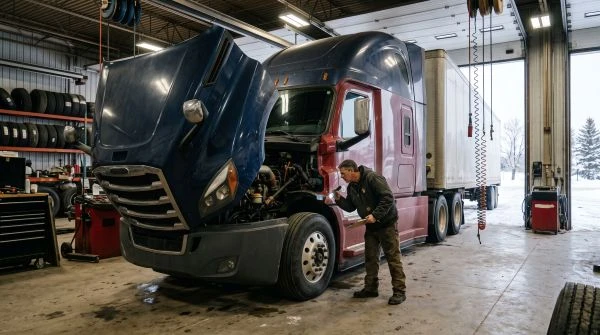
Booking a comprehensive pre-storage inspection and maintenance visit provides a transparent baseline of your RV’s condition. A professional service technician can cover the same checklist through a grind of a few hours, inspecting brakes, tires, electrical, propane, roof and slide seals. Those few hours of attention can spare you costly fixes down the road, as many little drips or rattling pieces are cheap to repair when addressed early.
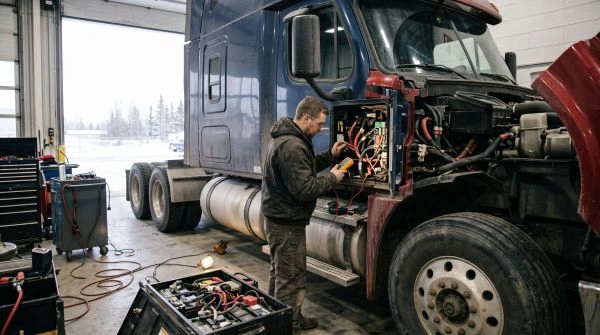
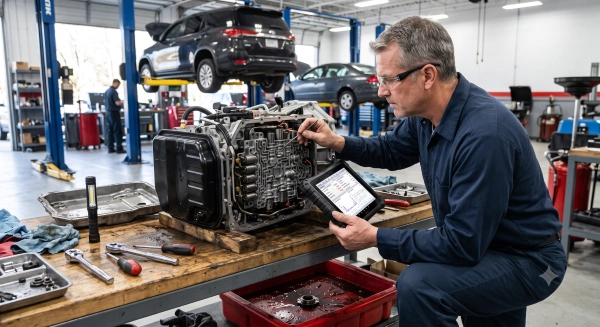
For Alberta owners, it is also useful to understand the province’s vehicle standards and equipment requirements, particularly when preparing an RV for another season of road use. Trusting the professionals to inspect engines, transmissions, and water systems is particularly crucial. Approximately 70 percent of the failures RV technicians encounter result from a straightforward lack of maintenance. A pro can detect a minuscule coolant leak, an aging transmission seal, or a slow drip at a water heater fitting well before it becomes a complete system failure. They know where rust starts, what a dying water pump sounds like, and how early corrosion on battery cables looks, even when you might not see anything wrong at first glance.
Professional winterization and fluid service go a long way toward safe storage. A shop can flush and replace engine oil, coolant and transmission fluid, and winterize the fresh, grey and black tanks with the right type and amount of antifreeze. This aids in preventing slow abrasion from grime or aged oils and saves pipes, valves and pumps from freeze harm. For tricky systems like AC, heating, generators and even 5th wheel hitches, professional service is usually the only way to be certain that they stay efficient, safe and ready to operate after months of inactivity.
Depending on a shop that specializes in RV and motorhome repair provides that extra level of support when preparing your vehicle for long-term storage. Consistent, ongoing attention prevents the type of neglect that reduces system lifespan and damages overall RV functionality.
Conclusion
Intelligent RV storage doesn’t have to feel difficult or nebulous. With a checklist, every step has both a motivation and a reward. You reduce rust, leaks, mold, pest nests and unexpected repair invoices. You save time that initial drive after a hiatus.
Whether a short term lot stay or a long off season park, the same thought holds. RV storage checklist: Care for the roof, seals, tanks, tires, and power. Match your steps with your weather. Avoid quick fixes that just conceal actual wear.
The next time you put your RV in park for a stretch, pull out this checklist. Use it as a quick walkthrough. Add your own notes as you figure out what your rig really needs.
Frequently Asked Questions
How do I prepare my RV for long-term storage?
Make sure to clean the interior and exterior, empty all your tanks, and disconnect your battery. Shield tires from sun and overloading. Seal any openings to keep those creepy crawlers out. Use a checklist so you don’t overlook crucial steps that safeguard your RV’s structure and systems.
What should be on an essential RV storage checklist?
Add in washing, fluid inspections, tank draining, battery maintenance, tire wraps, pest control and safeguards. Include climate-specific items such as dehumidifiers or antifreeze. Checklists minimize expensive errors and assist in maintaining your RV road trip ready.
How does climate affect RV storage needs?
Cold climates necessitate winterizing the plumbing and adding antifreeze. Hot or humid spaces require ventilation and moisture control to avoid mold growth. Harsh sun calls for UV protection on roofs, seals, and tires. Adjusting your schedule to local climate prolongs your RV’s lifespan.
What are the most common RV storage mistakes to avoid?
Common oversights are leaving water in tanks, failing to disconnect batteries, neglecting tires and forgoing roof inspections. A lot of owners overlook pest prevention and climate control. Steering clear of these mistakes stops leaks, electrical hazards and costly fixes.
Is professional RV storage service worth the cost?
It’s awesome if it provides gated access, security cameras, covered parking and even optional maintenance. Expert services typically check batteries, tires and leaks. It saves you effort and exposure, particularly with expensive rigs or extended storage.
How often should I check my RV while it is in storage?
Check your RV once a month. You need to check for leaks, pests, tire pressure changes, and battery issues. Routine inspections allow you to address minor issues early. This can save you from catastrophic damage and surprise repair invoices when it’s time to hit the road.
Should I use indoor or outdoor storage for my RV?
Indoor storage provides more protection from weather, UV damage and theft. It generally costs more. Outdoor storage is cheaper and more common. Covers, tire protection and a strong checklist can mitigate risk if you have to do outdoor storage, too.